
Mesh package
Cleaned scan data for archive, visualization, quoting, or downstream CAD reference.
Deliverables are agreed before work begins and may include mesh data, a defined CAD model, comparison images, drawings, or project notes.
Handoff builder
The customer can see what they are getting: scan data, CAD reconstruction, deviation proof, and notes. This turns files into a professional deliverable.
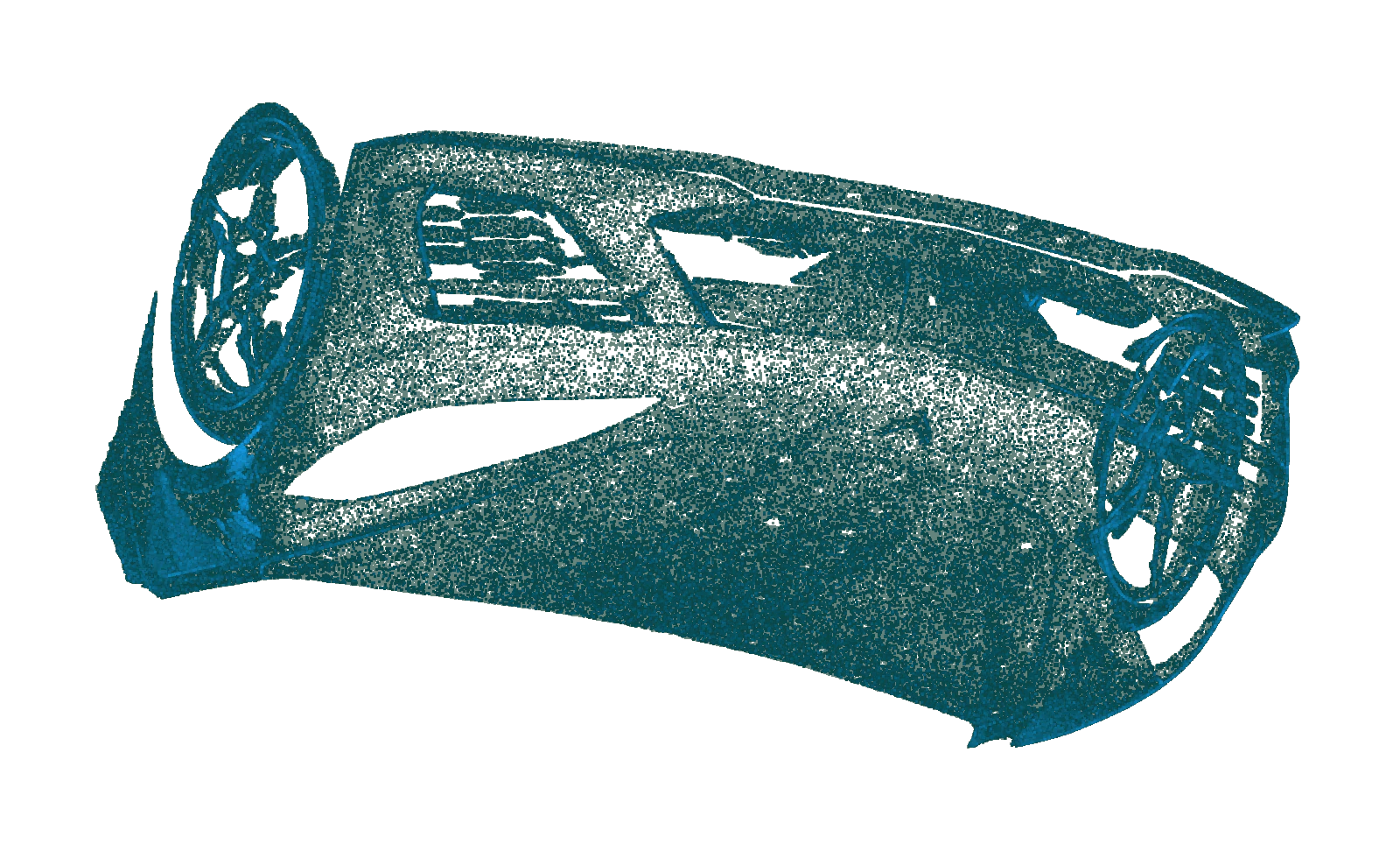
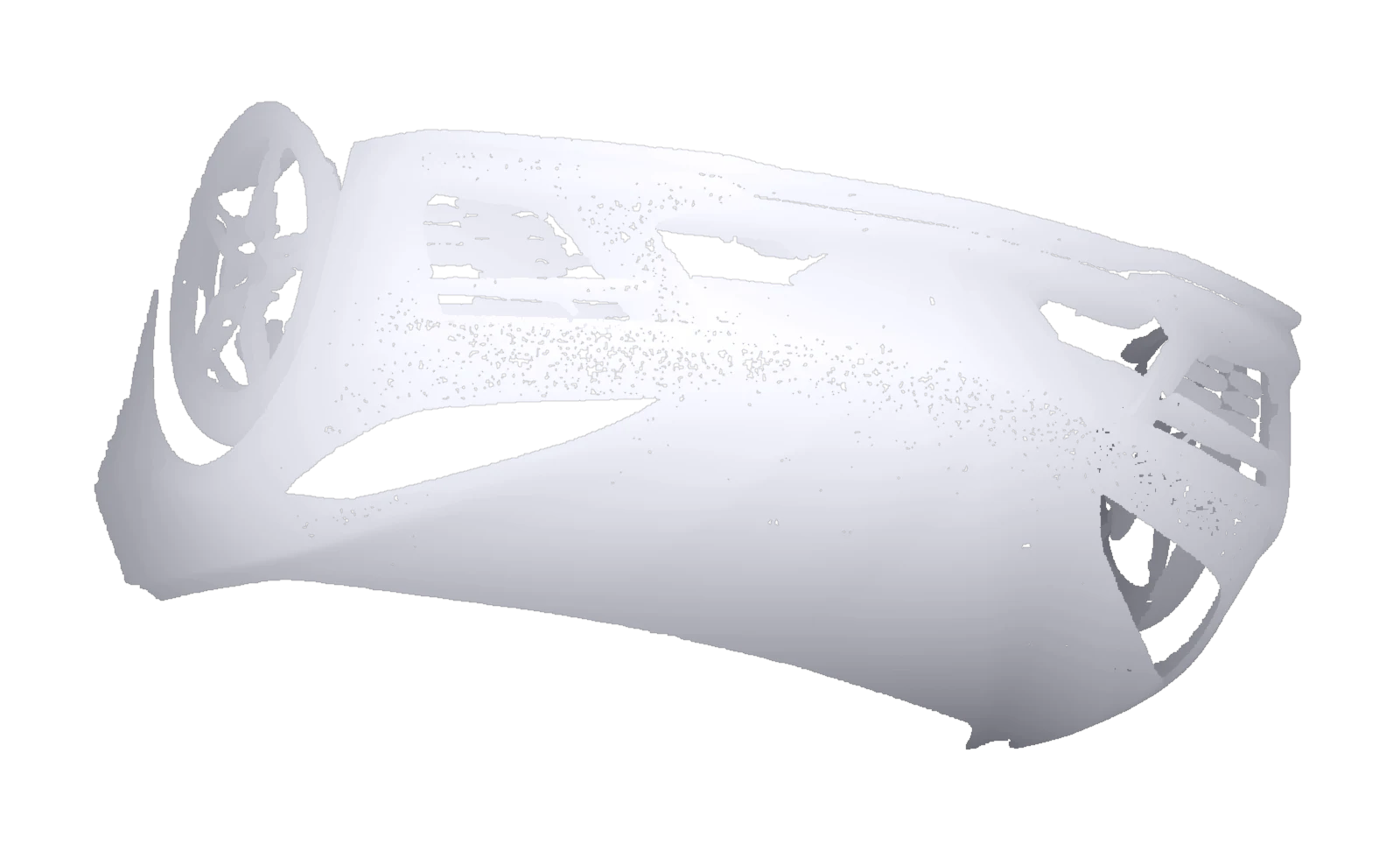
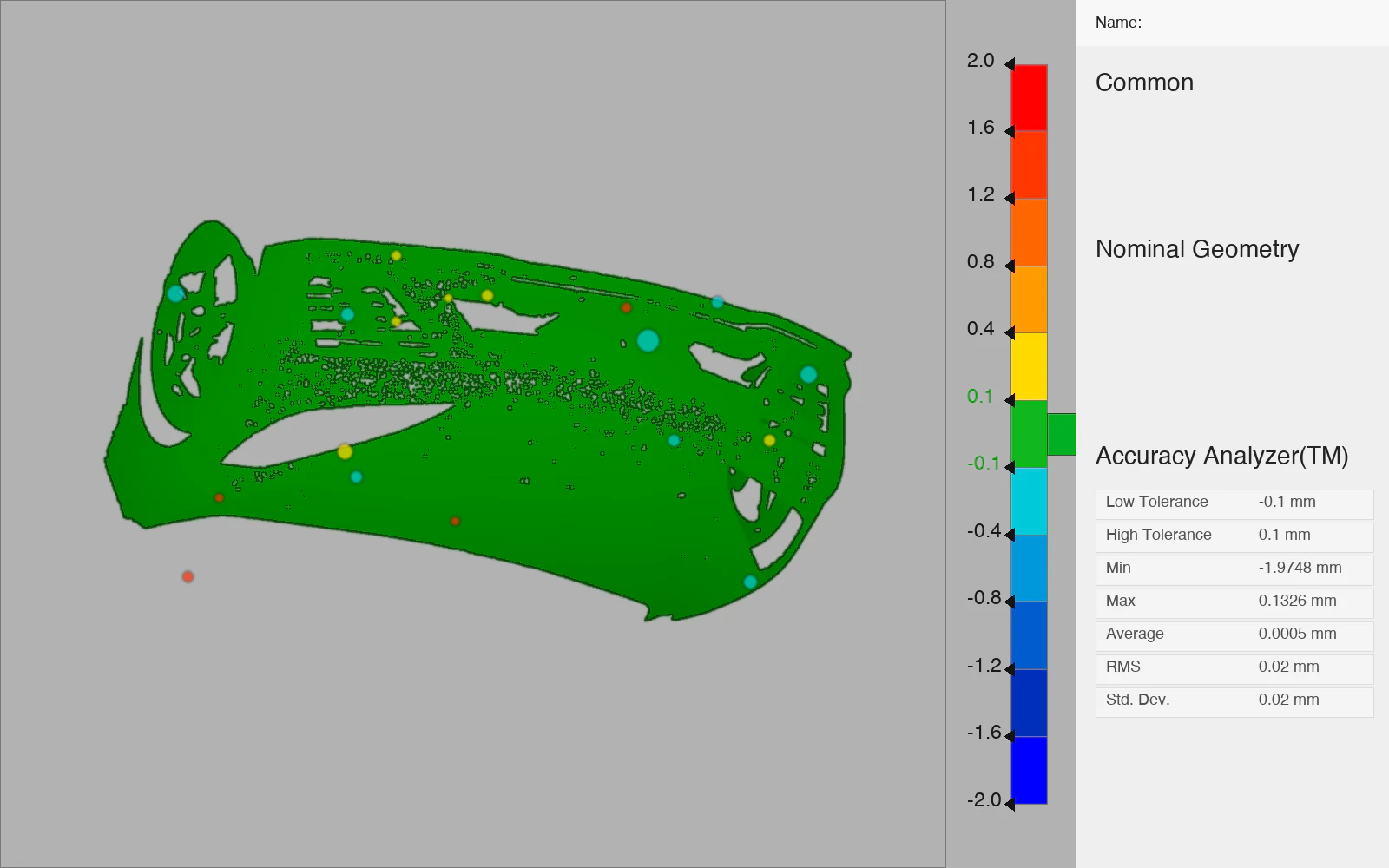
This guide explains the handoff: what file types exist, why each one matters, and how a project can be packaged clearly.
Cleaned scan data for archive, visualization, quoting, or downstream CAD reference.
A defined reconstructed model with the intended review use agreed during scope.
A visualization of measured and reference geometry with agreed context.
Drawing views, labeled screenshots, reference notes, and a simple job summary.
Mesh files, scan screenshots, and reference images.
STEP/IGES exports and CAD screenshots when reconstruction is included.
Deviation images, tolerance notes, and flagged review areas.
Plain-language summary so the next person knows what each file is for.
The receiving software, vendor, internal team, or technical decision determines whether a measured mesh is enough or whether the scope also needs editable CAD, comparison evidence, drawings, and a clear handoff note.
STL, OBJ, PLY, or point data can document captured condition and support reference, visualization, archive, or selected downstream mesh workflows. Cleanup level and coordinate context should be stated in the scope.
STEP or IGES is useful when the recipient needs defined CAD geometry for agreed editing, quoting, interface review, or design work. A neutral CAD export is not the same as a simple conversion of every scan triangle.
Deviation images, selected drawings, reference screenshots, and notes help the recipient understand the relationship between measured data and an agreed target. They do not automatically provide production approval or certified inspection.
Share the receiving program, vendor, or next decision whenever possible. That allows the files and supporting context to be scoped around real use instead of an assumed format.
Share the receiving program or vendor, the next task the files must support, preferred formats, any existing CAD or drawing, and whether the recipient needs measured reference, editable geometry, comparison evidence, documentation, or a combined package. That information is more useful than naming a format alone.
An STL represents surface shape with triangles and is commonly used for measured mesh delivery, reference, visualization, and some printing workflows. A STEP file carries CAD surfaces or solids for exchange between CAD systems. A useful editable STEP model normally requires separate reconstruction from the measured scan.
It can be supplied as separately scoped CAD reconstruction when the required features, surfaces, design-intent decisions, model class, and validation approach are agreed. A scan captures the measured condition; it does not automatically resolve wear, missing regions, symmetry, nominal dimensions, or intended changes.
A scoped comparison package can include aligned views, color-map images, selected regions of interest, display-band context, notes, and the agreed measured or reference files. It is not automatically a certified inspection report or production-acceptance record.
Kymerion can organize the measured data, reconstructed CAD, drawings, screenshots, comparison views, and notes included in the agreed scope. The receiving vendor remains responsible for confirming process, material, tolerances, tooling, software compatibility, and manufacturing acceptance requirements.