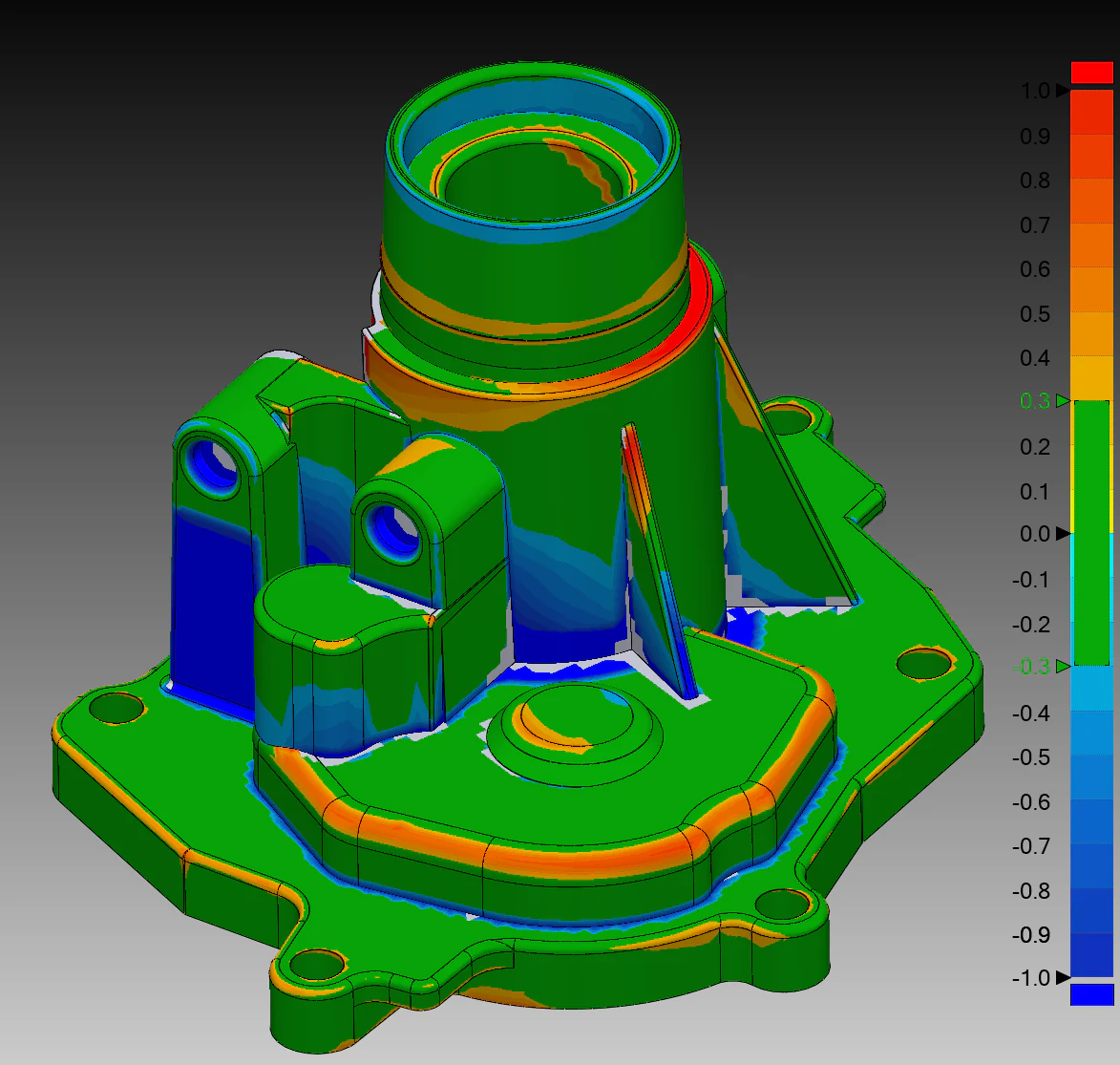
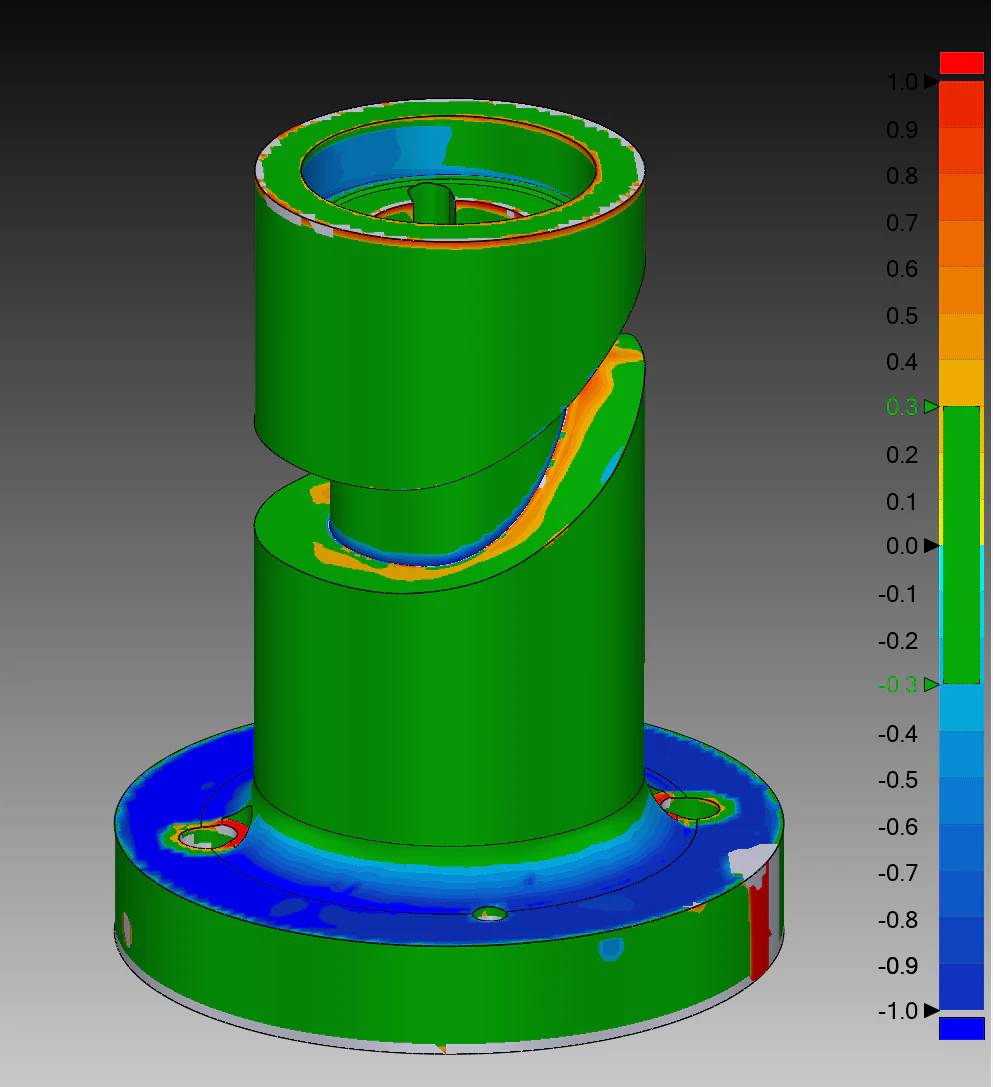
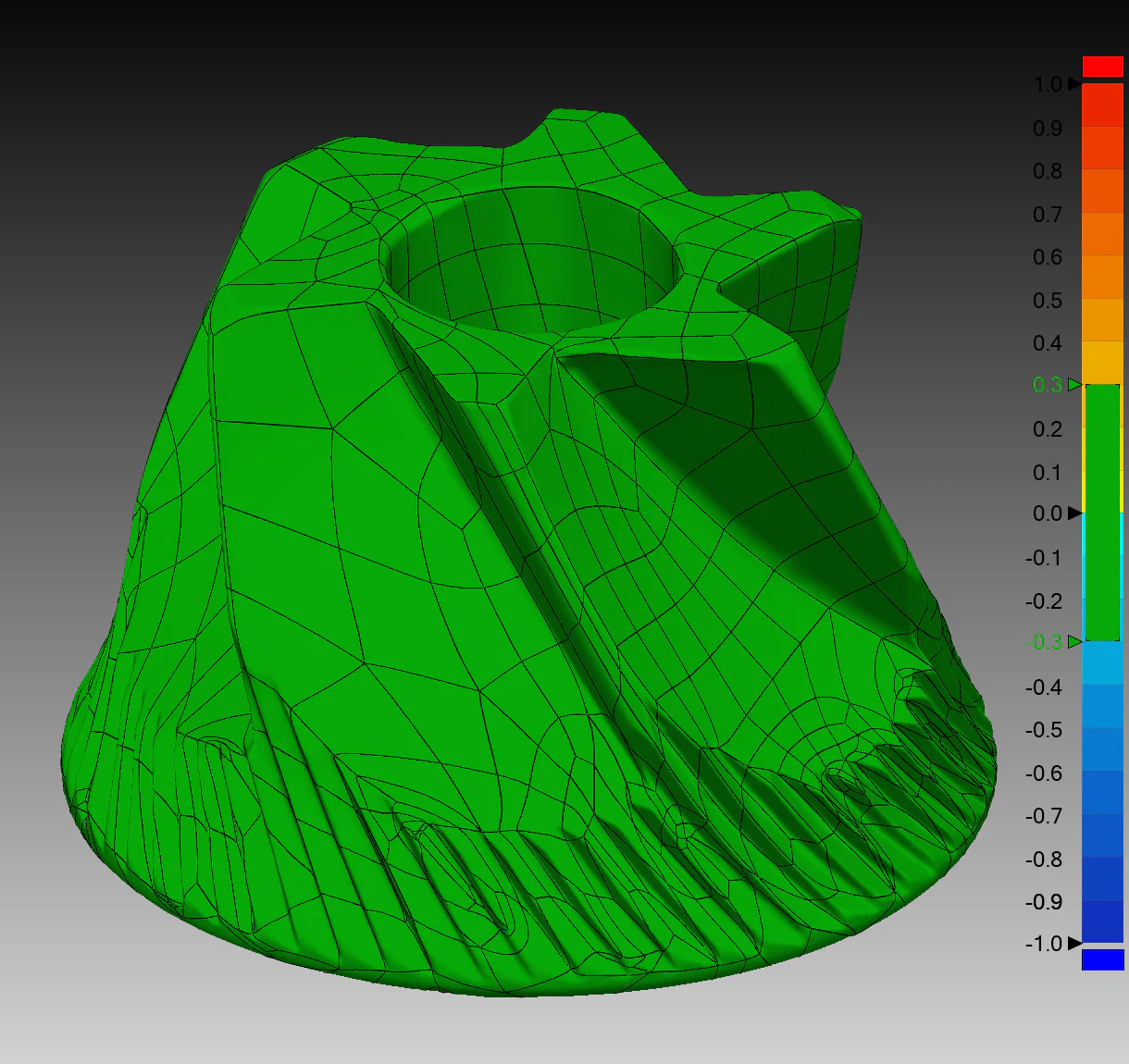
What is reverse engineering from a physical part?+
The part is measured, usually with 3D scanning, and the captured geometry is used as a reference for rebuilding agreed features and surfaces into a controlled CAD model.
What CAD files can Kymerion deliver?+
Common neutral deliverables include STEP and IGES. Mesh files, drawings, screenshots, or comparison views can be included when they are part of the agreed handoff.
Can a worn or damaged part be reverse engineered?+
Often, yes, but measured wear and intended design geometry are different questions. Existing condition is captured first, and any repair, symmetry, nominalization, or design-intent decisions are agreed before reconstruction.
How accurate will the reconstructed CAD be?+
There is no universal accuracy figure. Results depend on the part, surface, access, scanner setup, alignment, reconstruction method, and the features being evaluated. Any tolerance or validation requirement must be defined during scope review.
What information speeds up a reverse-engineering quote?+
Photos, approximate size, material, required CAD format, intended use, critical interfaces, available drawings, target deadline, and whether the part can be shipped or requires on-site capture are the most useful starting details.
Do I need a reverse engineering service near me?+
Local support is most useful when the physical part must be reviewed in person, is installed or difficult to ship, includes surrounding interfaces, or needs on-site capture. Kymerion reviews Los Angeles and Southern California projects for those situations; smaller movable parts can also be scoped from clear photos, drawings, and shipped or otherwise available reference geometry.

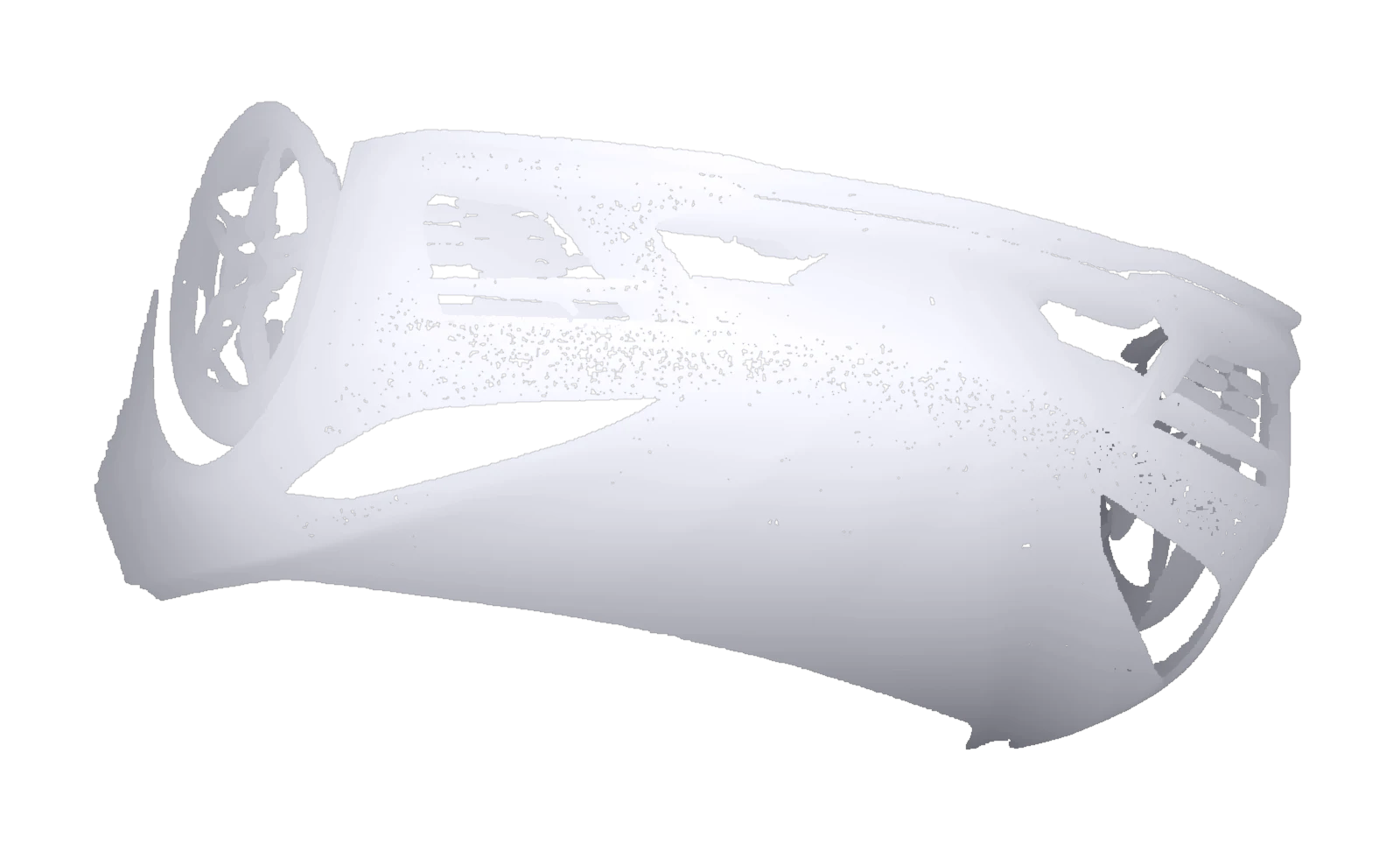
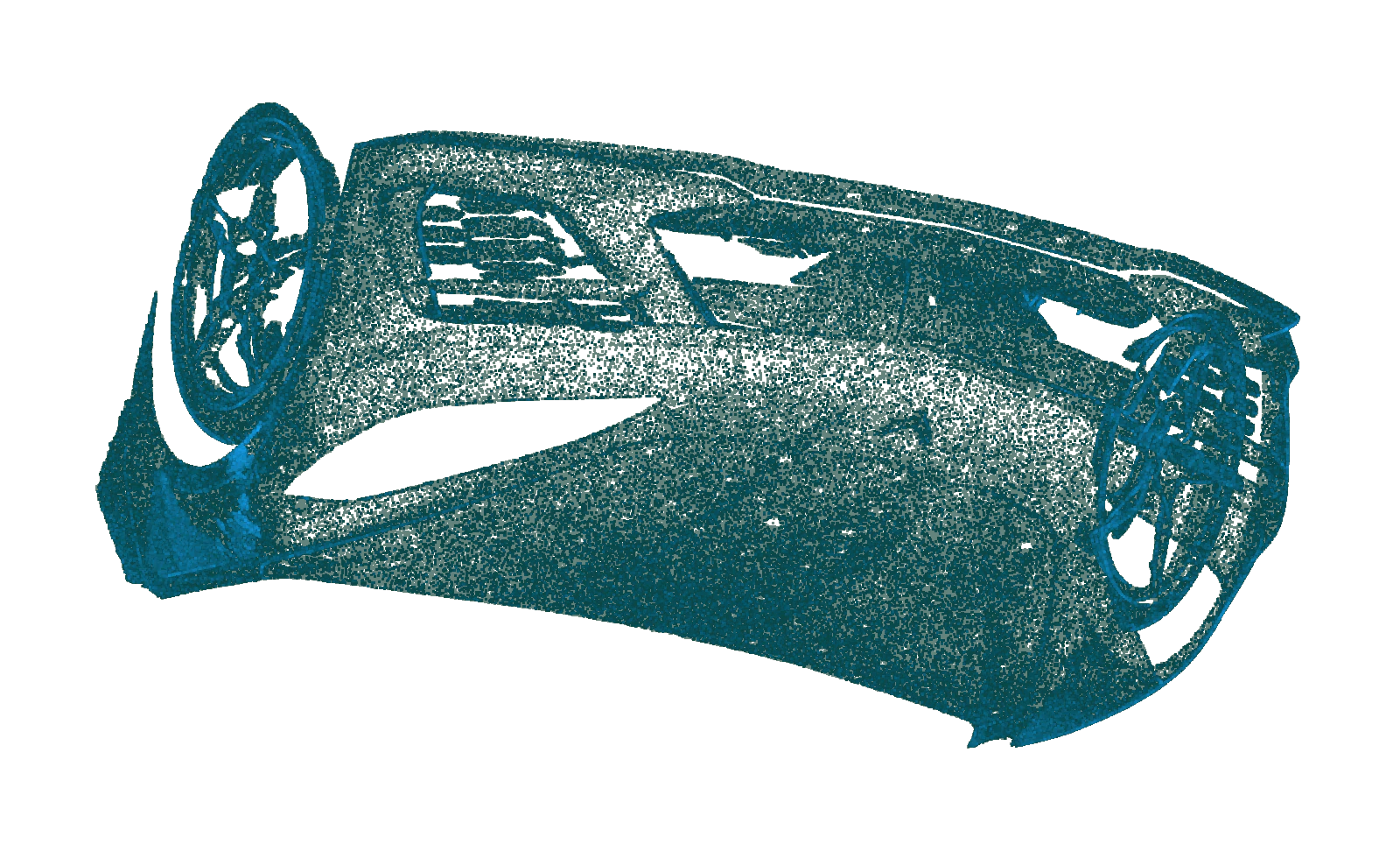 Automotive scan
 Scan-to-CAD workflow